The Staffing Problem Every Restaurant Faces
Comps and voids are the quietest line in this whole conversation. Our free comps & voids benchmark tells you whether your rate is normal for your venue type, or whether something has drifted.
Labor typically accounts for 25-35% of a restaurant's total revenue. In many markets, it's climbing higher every year due to minimum wage increases, competition for workers, and high turnover rates.
The knee-jerk reaction is to cut staff. Fewer waiters, smaller kitchen teams, reduced hours. But anyone who's tried this knows the result: slower service, frustrated customers, negative reviews, and even higher costs as you lose regulars.
The real solution isn't fewer people — it's using technology to make each person more effective.
Strategy 1: Self-Service Ordering
The single biggest time drain for servers is taking orders. The cycle looks like this:
- Greet the table
- Bring water/menus
- Wait for them to decide
- Come back to take the order
- Repeat for modifications
- Enter into POS
This process takes 10-15 minutes per table. With self-service ordering via QR codes or tablets, customers browse, decide, and order on their own schedule. Your server still greets them, checks in, and provides hospitality — but the mechanical order-taking is eliminated.
Impact: One server can effectively manage 50-70% more tables.
Strategy 2: AI-Powered Menu Assistance
Many customer questions are repetitive:
- "What's in the pad thai?"
- "Do you have anything gluten-free?"
- "What do you recommend for vegetarians?"
- "How spicy is this?"
An AI concierge answers these instantly and accurately, 24/7. Your staff no longer spends time on FAQ-type interactions. They focus on the moments that actually matter — welcoming guests, handling special requests, and creating memorable experiences.
Impact: Reduces server-to-customer interactions by 30-40% while improving information accuracy.
Strategy 3: Smart Kitchen Communication
Paper tickets and shouting across the kitchen is chaos. Digital order routing means:
- Orders go directly from customer to kitchen display
- No transcription errors
- Kitchen sees real-time queue and can prioritize
- Reduced food waste from incorrect orders
Fewer wrong orders = fewer remakes = less food waste = lower costs.
Impact: Reduces order errors by 60-80% and food waste by 15-20%.
Strategy 4: Optimize Your Floor Plan
Many restaurants are over-staffed because their floor layout is inefficient. If a server has to walk to the back of the restaurant, through the kitchen, to pick up an order — you need more servers to maintain speed.
Analyze your flow:
- Where are the bottlenecks?
- Can you move the POS station closer to the floor?
- Is your kitchen pass-through in the optimal location?
- Can you zone tables so servers have minimal walking distance?
Impact: Small layout changes can improve server efficiency by 10-20%.
Strategy 5: Cross-Train Your Team
When every person can only do one job, you need more people to cover all functions. Cross-training creates flexibility:
- Hosts who can run food
- Bartenders who can take table orders
- Kitchen prep staff who can help with plating during rush
This doesn't mean everyone does everything all the time. It means you have backup for peaks without hiring additional staff.
Impact: Reduces the need for "just in case" overstaffing by 15-25%.
Strategy 6: Data-Driven Scheduling
Stop scheduling based on gut feeling. Use your order data to understand:
- Which days are actually busy (not just which days feel busy)
- What time does the rush start and end?
- How many tables are typically active at peak?
- When is it slow enough to send someone home?
Match your staffing to actual demand, not worst-case scenarios.
Impact: Reduces excess labor hours by 10-15%.
Strategy 7: Automate Repetitive Admin Work
Restaurant managers spend hours on:
- Inventory counting
- Scheduling
- Payroll calculations
- Menu updates
- Supplier ordering
Each of these can be partially or fully automated. A menu management system alone saves 2-3 hours per week that a manager would spend updating menus, reprinting, and distributing to tables. The same automation reaches the guest side too — order confirmations, invoices, and win-back offers for lapsed regulars can go out over WhatsApp automatically, turning saved time into repeat revenue without adding headcount.
Impact: Saves 5-10 hours of management time per week.
The Math: What This Looks Like in Practice
Let's say you run a 30-table restaurant:
| Metric | Before | After |
|---|---|---|
| Servers needed at peak | 6 | 4 |
| Tables per server | 5 | 7-8 |
| Order errors per day | 8-10 | 2-3 |
| Average order time | 12 min | 4 min |
| Monthly labor cost | ₹3,00,000 | ₹2,20,000 |
That's roughly 25% savings on labor — without a single service quality compromise. In fact, most restaurants see higher customer satisfaction scores after implementing these changes because service becomes faster and more accurate.
What NOT to Do
- Don't eliminate the human touch — Technology handles transactions. Humans handle relationships.
- Don't cut training budgets — Fewer staff means each person matters more. Invest in making them excellent.
- Don't ignore your team's input — Your servers and kitchen staff know where the inefficiencies are. Ask them.
- Don't implement everything at once — Start with the highest-impact, lowest-friction change and build from there.
Start Small, Measure, Expand
Pick one strategy from this list. Implement it for a month. Measure the impact on labor cost, service speed, and customer satisfaction. If it works, keep it and add the next one.
The restaurants that thrive in the next decade won't be the ones with the biggest teams — they'll be the ones with the smartest operations.
Related Articles
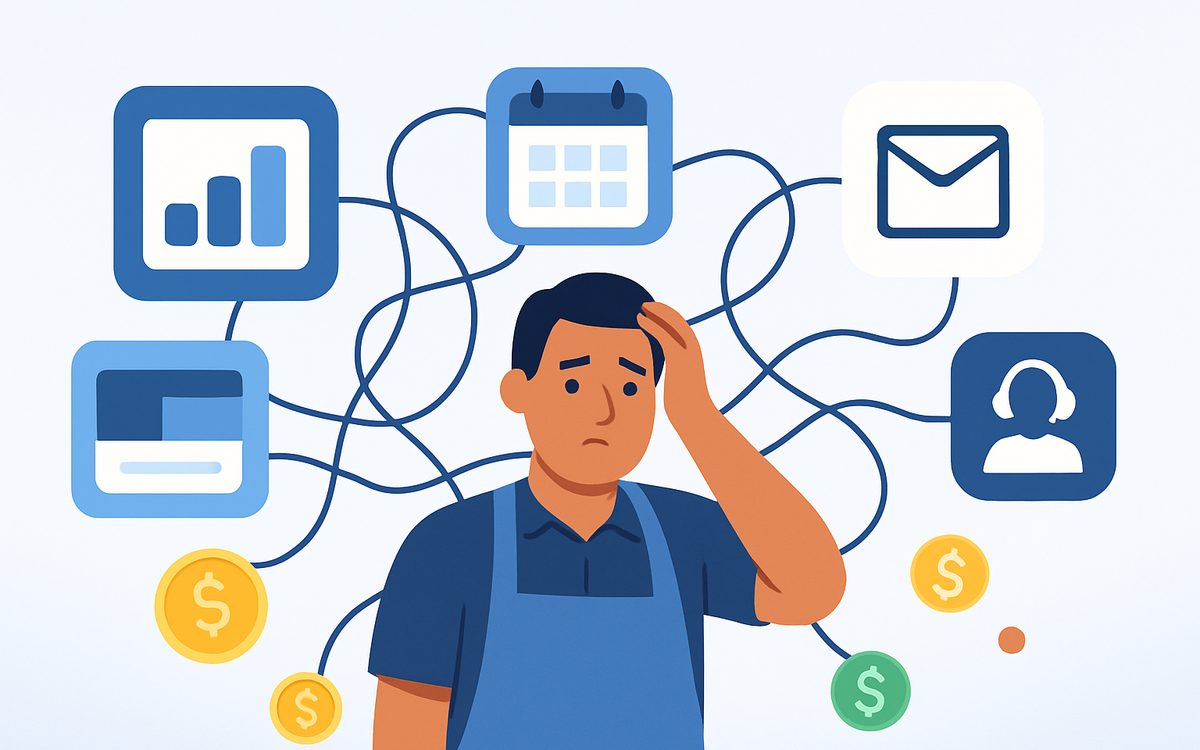
How Many Apps Does Your Restaurant Really Need? The Hidden Cost of Tool Sprawl
The average restaurant now runs 5-8 software subscriptions. Add up the fees, the lost time, and the broken integrations, and tool sprawl is costing you more than you think.
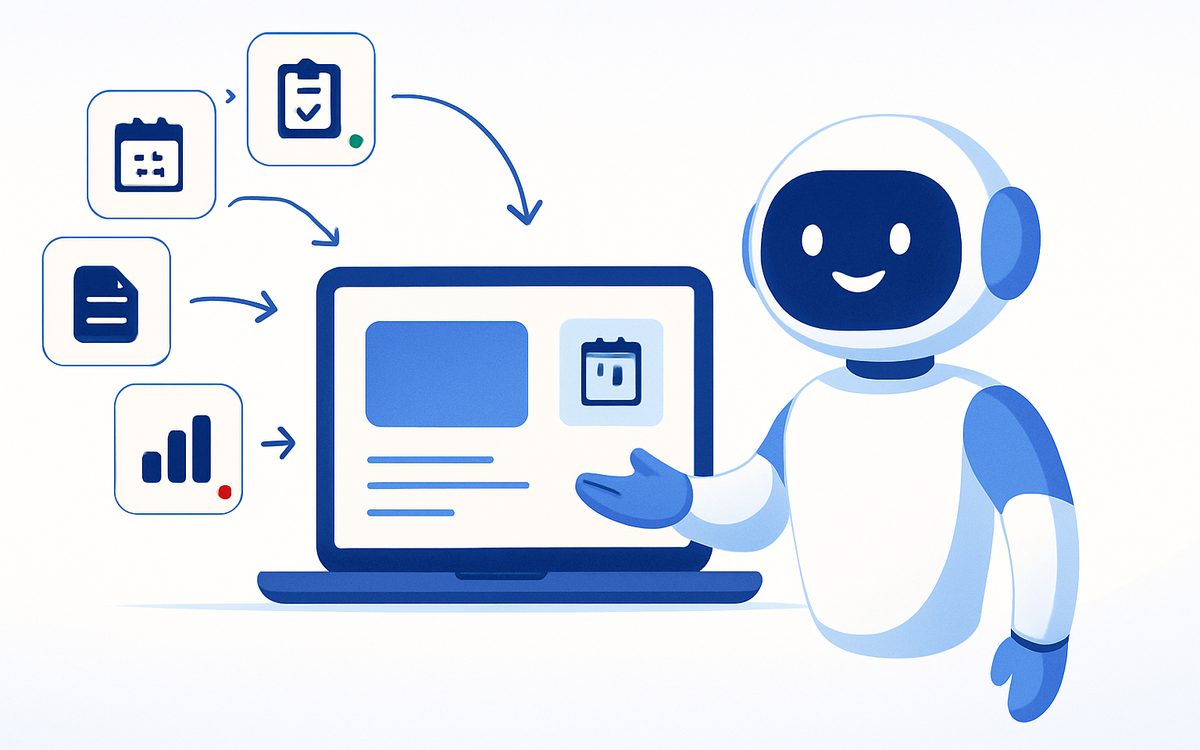
All-in-One Restaurant Management Software: Stop Paying for 5 Separate Tools (2026)
Most restaurants run on 5+ disconnected apps for ordering, scheduling, SOPs, and bookings. Here is why an all-in-one platform saves money, time, and sanity.
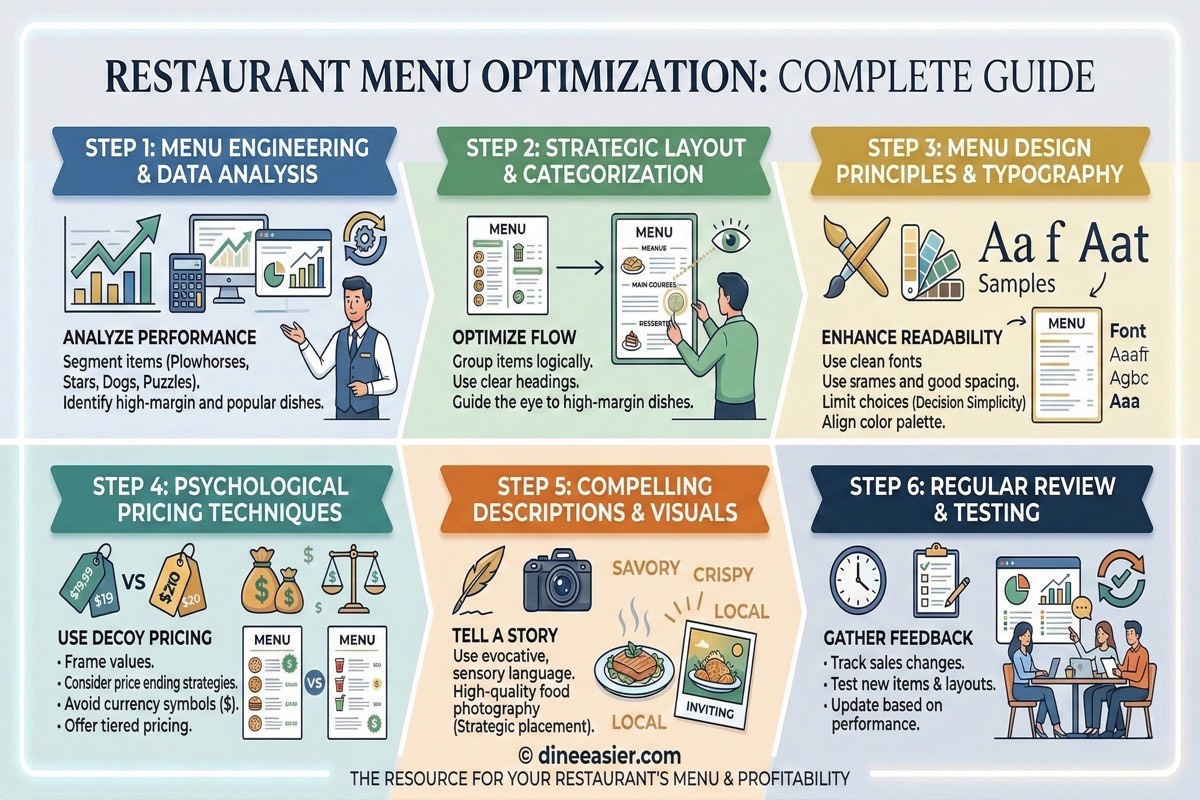
Why Dietary Tags on Your Menu Increase Restaurant Orders
Customers skip menu items they are unsure about. Dietary labels like veg, Jain, vegan, and allergen tags remove doubt, unlock group dining, and directly increase orders per table.