Why Room Service Needs an Ordering App
Room service at most hotels still works the same way it did in 1990: guest picks up the phone, waits on hold, reads from a paper menu, hopes the person on the other end understood the order correctly, and waits 45-60 minutes.
The result? Only 5-10% of hotel guests ever use room service. Not because they don't want it — because the experience discourages them.
An app-based room service system changes everything. Guest scans a QR code in their room, browses a visual menu on their phone, places an order in 30 seconds. No phone call, no language barrier, no miscommunication.
Hotels that switch to app-based room service see 3-5x more orders. That's not a small improvement — it's a completely different revenue stream.
What a Room Service Ordering App Actually Does
For the Guest
- QR code on the nightstand — one scan opens the full room service menu
- Photos of every dish — no more guessing what "Chef's Special Platter" looks like
- Dietary filters — vegan, gluten-free, halal, allergen-free options shown instantly
- AI assistant — "What's good for a late-night snack?" gets a real recommendation
- Multilingual — a Japanese guest sees the menu and chats in Japanese, a French guest in French
- Order tracking — guest knows exactly when food is coming
- No app download — works in the browser, zero friction
For the Hotel
- Orders appear on kitchen display — with room number, guest name, and special requests
- Zero phone calls — front desk freed from taking food orders
- 24/7 availability — AI takes orders at 2 AM without needing night staff for phones
- Accurate orders — no mishearing "no onions" over a phone in a language your staff doesn't speak fluently
- Upselling built in — AI suggests wine pairings, desserts, and premium options
- Guest re-engagement — order confirmations, and later win-back offers, can go out over WhatsApp automatically — turning a one-time order into a returning guest
The Phone Call Problem
Let's be honest about why phone-based room service fails:
Language Barriers
International hotels serve guests from dozens of countries. A guest from Korea trying to order in English over a crackling room phone is not a good experience. They'll order the one thing they're sure they can pronounce — or not order at all.
With an app, the menu appears in their language. The AI communicates in their language. Every dietary label, ingredient, and description is translated accurately. No pointing, no confusion, no frustration.
Hold Times
During peak dinner hours, the kitchen phone rings constantly. Guests wait 3-5 minutes on hold. Many hang up. Those who get through rush their order because they feel the pressure.
An app handles unlimited orders simultaneously. 50 guests ordering at the same time is no different from 1.
Order Accuracy
"One club sandwich, no tomato, extra mayo, with a side salad instead of fries, and a Diet Coke — actually make that a sparkling water." Good luck getting that right over a phone call with background noise.
Digital orders are exact. Every modification, every preference, every special request — written down by the guest themselves.
The Menu Problem
Paper room service menus are expensive to print, impossible to update quickly, and show no photos. Guest sees "Grilled Sea Bass — £28" and thinks "I don't know what that looks like, I'll just get the burger."
A digital menu with photos, descriptions, and AI recommendations turns that sea bass into an actual order. Guests explore more of the menu, discover dishes they wouldn't have risked ordering blind, and spend more.
AI: The Difference Between a Menu App and a Revenue Driver
A basic ordering app shows a menu. An AI-powered app actively drives revenue:
Personalised Recommendations
- "What's a good breakfast to order to the room?" — AI suggests popular morning items, considers the time
- "My wife is vegetarian, what can she have?" — filters and recommends
- "We're celebrating our anniversary" — suggests champagne, dessert tasting, premium options
- "Something quick, I have an early meeting" — recommends express items
Smart Upselling
- "Add a bottle of wine with your dinner? Our house Merlot pairs perfectly with the steak — just £18"
- "Complete your breakfast with fresh juice and a pastry basket?"
- "Upgrade to our premium steak for £8 more?"
Hotels using AI-powered room service see 25-40% higher average order value compared to basic digital menus. The AI concierge does what a great human concierge would do — but for every guest, every time.
Late-Night & Off-Hours Revenue
The biggest untapped revenue in hotel F&B is late-night. Guests arrive late from flights, can't sleep, want a snack at 1 AM. Phone-based room service is either unavailable or painful at these hours.
AI doesn't sleep. A guest at 2 AM gets the same menu, the same recommendations, the same smooth ordering experience as someone at 7 PM. Hotels report that 30-40% of their new room service orders come during hours that were previously unserved or poorly served.
Beyond Room Service: Whole-Property Ordering
The best room service apps don't stop at the room. The same system works across the entire property:
- Lobby & lounge — guests order coffee or drinks while waiting
- Pool & spa — QR at every lounger, order without flagging staff
- Meeting rooms — conference organisers order catering on demand
- Restaurant pre-ordering — "We'll be at the restaurant at 8, can we pre-order?"
- Fitness centre — post-workout smoothie or protein shake
- Rooftop & garden — hard-to-staff areas become revenue-generating
One system, one menu management dashboard, QR codes everywhere. Staff see every order with the exact location — "Room 405", "Pool Lounger 12", "Meeting Room B".
The Numbers That Matter
| Metric | Phone-Based | App-Based |
|---|---|---|
| Guests using room service | 5-10% | 20-35% |
| Average order value | Baseline | +25-40% |
| Order accuracy | 80-85% | 99%+ |
| Front desk calls for F&B | 40-60/day | Near zero |
| Late-night orders | Minimal | 30-40% of total |
| Time to place an order | 5-8 min (phone) | Under 1 min |
| Guest satisfaction (F&B) | 3.5/5 | 4.5/5 |
The ROI is immediate. A 200-room hotel generating even 10 additional room service orders per day at £25 average = £7,500/month in new revenue. The app pays for itself many times over.
What Guests Actually Say
The feedback from hotels using ordering apps is consistent:
- "I ordered room service three times because it was so easy"
- "Everything was in Japanese — no language issues at all"
- "My daughter has a nut allergy and I could filter the entire menu"
- "I ordered breakfast the night before so it arrived exactly when I wanted"
- "So much better than calling and waiting on hold"
These aren't tech enthusiasts. They're regular hotel guests who appreciate when something just works.
Getting Started
Most hotels go live in under a week:
- Day 1-2: Upload room service menu with photos, prices, dietary info
- Day 3: Set up room locations and generate QR codes
- Day 4: Brief staff, place QR codes in rooms (nightstand, desk, minibar area)
- Day 5: Soft launch on one floor
- Week 2: Roll out to entire property + pool, lobby, restaurants
No hardware needed. No POS integration required (though available). No app for guests to download. Works on any phone with a camera.
Tips for Hotels
- Place QR codes where guests relax — nightstand, desk, bathroom mirror, balcony table
- Include a small card explaining the service — "Scan for room service — browse, order, enjoy"
- Keep photos updated — a visual menu drives 40% more orders than text-only
- Set up all property locations — not just rooms, but pool, lobby, gym, meeting rooms
- Enable late-night menu — even a reduced menu at night captures revenue you're currently losing
The Competitive Edge
Guests compare hotels. When one property offers effortless AI-powered ordering from bed in any language, and another hands them a laminated card and a phone number, the comparison is instant and memorable.
The hotels investing in digital room service today aren't just improving current operations — they're setting the standard that guests will expect everywhere tomorrow.
Related Articles
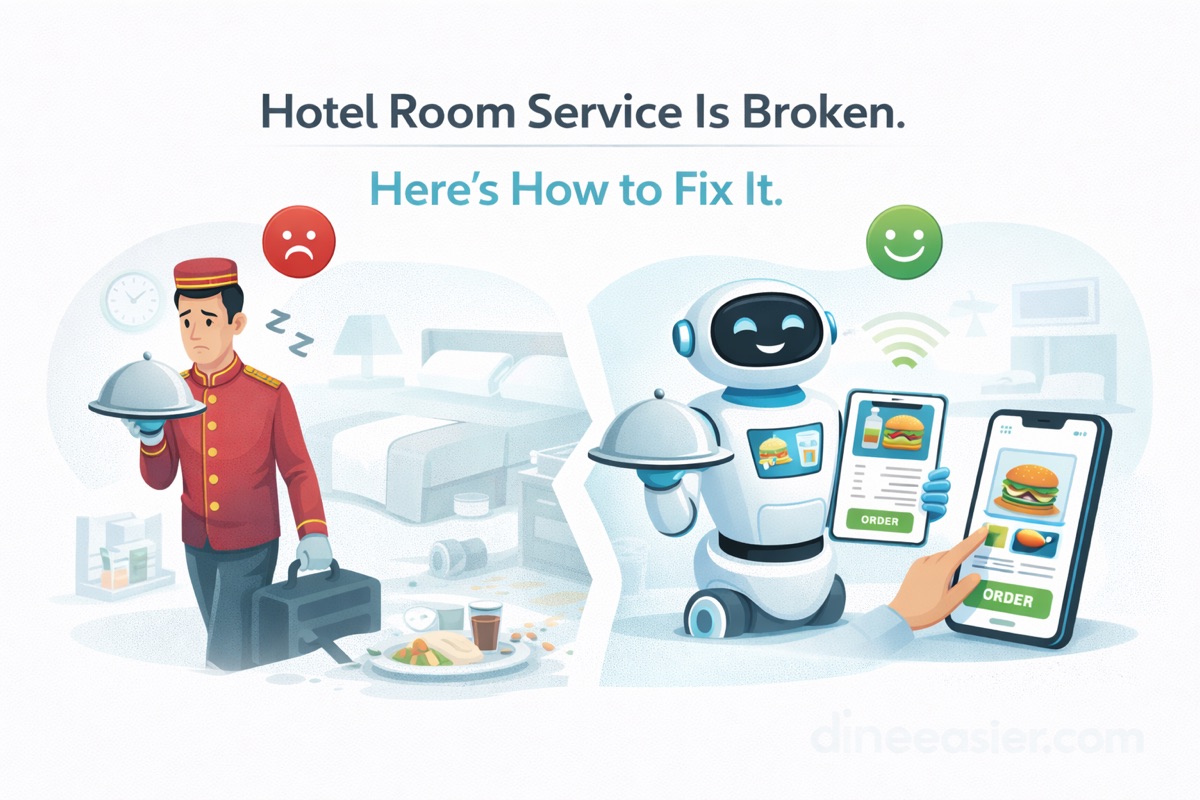
Hotel Room Service Is Broken. Here's How to Fix It.
Most hotel room service still relies on printed cards and phone calls. Modern guests expect better. Here's how to transform your room service experience.
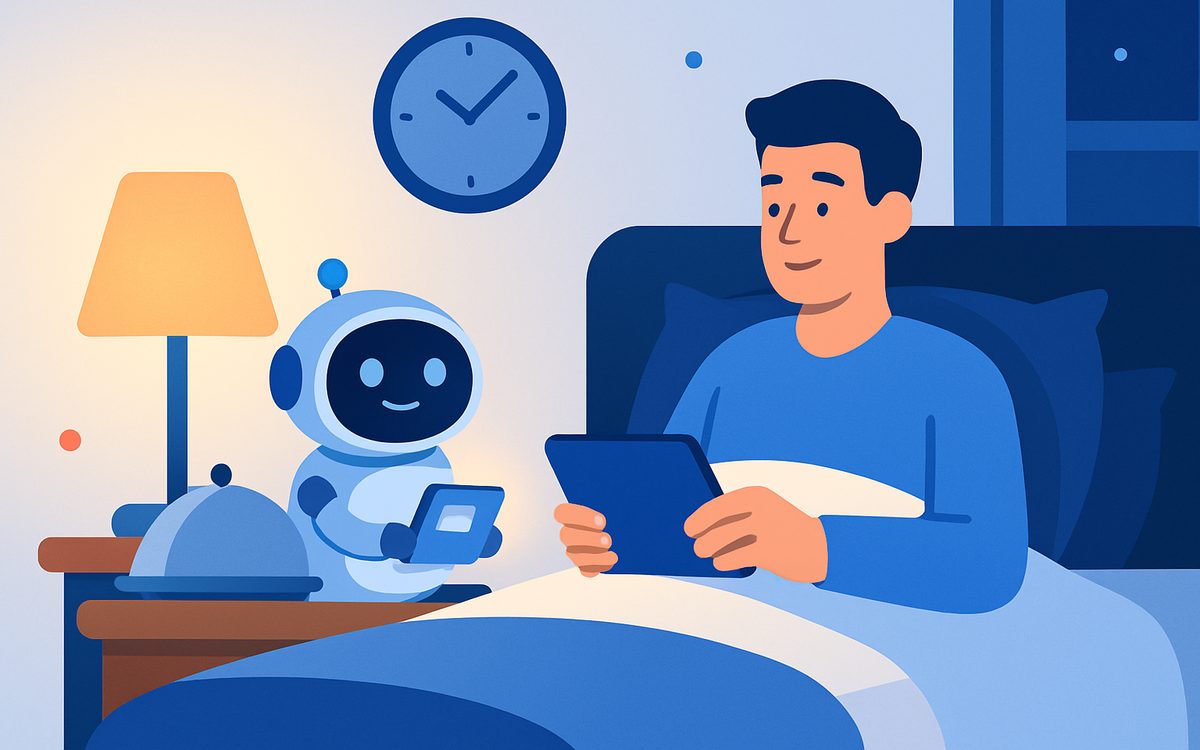
AI Captain for Hotels: 24/7 Room-Service Ordering Without Waiting for Someone to Pick Up the Phone
Most hotel room service fails at one point: the phone. Guests give up before the call connects. An AI Captain on every nightstand removes the wait and multiplies F&B revenue.
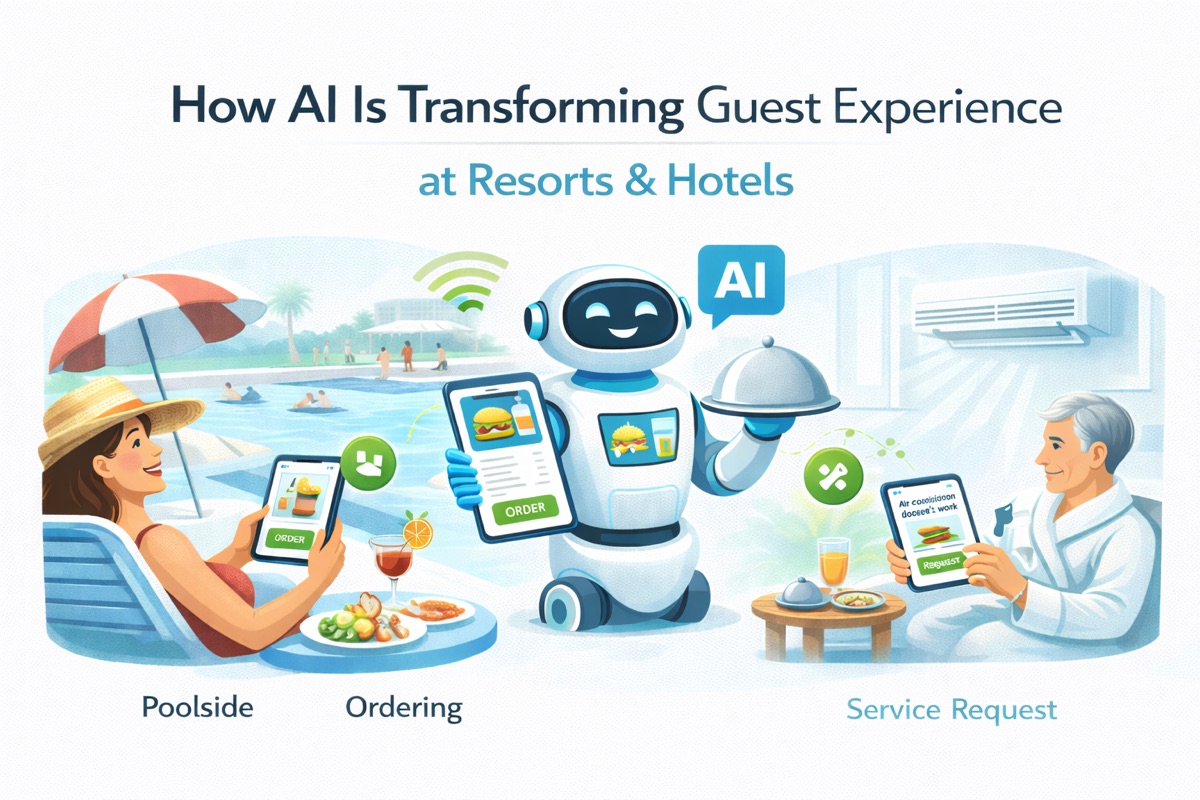
How AI Is Transforming Guest Experience at Resorts & Hotels
From room service to poolside ordering, AI is redefining what guests expect from hospitality. Here's how leading properties are using it.