A bar near a stadium, arena or festival site has the best and worst economics in hospitality on an event weekend.
Best: two windows where you sell more than a normal week, at high margin, to people who are not price-sensitive.
Worst: those same windows are when your pour cost blows out, your tabs walk, your best line runs dry, and your staff have the worst night of their year.
The gap between bars that make money on event nights and bars that just get busy is almost entirely operational.
The two walls
Pre-game. Two to three hours before the event, compressing hard in the final forty-five minutes. Everyone leaves at once — you go from full to empty in about ten minutes. High volume, fast rounds, mostly beer and simple drinks, everyone watching the clock.
Post-game. Starts as the venue empties and runs until you close. Bigger than pre-game, drunker, slower to leave, more groups. Ticket sizes are larger and so is every kind of risk: over-pouring, comps, fights, walked tabs.
Between them is a dead zone where you are fully staffed and serving nobody. That dead zone is where a lot of bars quietly lose the margin they made in the pre-game.
Throughput is a bar problem, not a kitchen problem
Your ceiling is drinks per bartender per hour, and it is lower than most operators assume once you account for payment.
The things that actually move it:
Shrink the drinks list for the walls. Six to ten drinks, chosen for speed. Draught over bottles where you can, because pouring is faster than opening and collecting empties. Batched cocktails over built ones — a pre-batched negroni or margarita poured over ice takes eight seconds; the same drink built and stirred takes ninety.
Batch everything batchable before service. This is the single biggest throughput lever a bar has and it is consistently under-used. If a cocktail is going to sell two hundred times, it should not be built two hundred times.
Glassware is a constraint nobody plans. You will run out of your most-used glass during the post-game wall, and then your throughput is bounded by the dishwasher cycle. Either buy more, switch to disposables for the wall, or roster someone on nothing but glass collection and wash.
Dedicate someone to pouring beer only. Beer is the volume product during events. A dedicated beer station with its own point of sale, serving nothing else, will out-produce two generalists.
Take payment off the bartender. Card queues at the till are a huge share of your lost seconds. Pre-paid tabs, tap-to-pay at the point of pour, or QR ordering from the table all convert payment time back into pour time.
Stock: do the keg maths properly
This is where bars get caught, every time.
Work out, per line, how many servings a keg gives you, then divide by your expected peak-hour volume. A 50-litre keg is roughly 88 pints. If your post-game wall sells 150 pints of your lead beer in ninety minutes, you will change that keg mid-wall, and if you have not staged a fresh one within reach with a clear line, you will lose ten minutes on your highest-volume product at your highest-volume moment.
The rules that hold:
- Stage spare kegs of your top two lines physically ready, coupler accessible, before service
- Assign keg changes to a named person, not "whoever notices"
- Know your gas situation. Running out of CO2 mid-wall ends the night
- Ice is the other one. Event nights consume several times normal ice and it cannot be conjured at midnight
For everything else, par up narrowly. The crowd for a specific event drinks a specific thing — sporting crowds drink beer, music festival crowds drink more spirits-and-mixers and far more water than you expect, conference crowds drink wine. Scale those lines and leave the rest alone.
Stop the leak
Event nights produce the year's worst variance between what you sold and what left the building. Three causes, all fixable.
Over-pouring. Free-pouring under pressure drifts heavy — a busy bartender pours more generously, not less. Jiggers or measured pourers on the walls specifically. The margin difference across a thousand drinks is substantial.
Walked tabs. Large drunk groups and an open tab at 1 AM is the classic loss. Pre-authorise cards on tab open. Better, move groups onto ordering and paying from their own phones so the tab settles itself and splits without a bartender being involved at all.
Undocumented comps. Drinks given away to smooth a complaint, remakes, staff drinks — all verbal, none recorded, and invisible until the stocktake says you are down. A comp that takes three seconds to record at the point of service is the difference between knowing your pour cost and guessing it.
Take ordering off the bar
QR ordering does something specific for bars: it decouples order-taking from the physical bar. The constraint stops being "how many people can reach the bar" and becomes "how fast can we pour," which is the constraint you actually want.
For table and booth service it removes the flag-down entirely. For standing areas it means people order without joining the scrum. And it solves the split-bill problem that eats your closing hour.
Language matters more than operators expect here too. Event crowds are heavily out-of-town, and a drinks list people can read in their own language removes the slowest interaction at a loud bar — the one where someone shouts a question twice and orders the wrong thing anyway.
Staffing the walls
- Strongest bartenders on the post-game wall, not on the open.
- Barbacks are not optional at peak. One barback keeping ice, glass and stock flowing is worth more than an additional bartender who has to leave the well.
- A door person before you think you need one. The post-game wall is when a good night becomes an incident.
- Hard shift caps, honestly applied. Event weekends are where bar staff burn out and quit, and the cost lands two months later.
If your rota tool projects labour against forecast demand, build until the coverage warnings clear for the two walls specifically. The dead zone between them should be staffed thin — that is where you claw back the labour cost.
The forecast: tell it once, let it learn
If you run demand planning, know the contract. In FullGuest an event is a date window plus a multiplier, and for a first-time event you supply the number. It will not infer a 4× post-game from an event's name.
Where it earns its keep is repetition. After the dates pass, the platform compares actual demand against your baseline and blends the observed ratio into the stored multiplier. Bars benefit from this more than almost anyone, because your events recur on a schedule — a home fixture list, a residency, an annual festival. By the third or fourth occurrence the multiplier is genuinely yours, and it drives both the rota and the keg order from one place.
Which is the argument for logging even a rough guess this time. The estimate you record gets corrected. The one in your head does not.
The debrief that pays for itself
Within 48 hours: drinks per hour at both walls, which line ran dry and when, actual versus theoretical pour cost, comps recorded, tabs walked, and the longest wait at the bar.
Compare theoretical pour cost to actual for the event days alone rather than folding them into the month. That delta, isolated, is the number that tells you which of the leaks above is actually costing you — and it is invisible in a monthly average.
Two ninety-minute windows decide the weekend. Batch the drinks, stage the kegs, measure the pours, get payment off the bar, and staff the walls properly. The bar next door will be just as busy and make considerably less.
Related Articles
All-in-One Restaurant Management Software: Stop Paying for 5 Separate Tools (2026)
Most restaurants run on 5+ disconnected apps for ordering, scheduling, SOPs, and bookings. Here is why an all-in-one platform saves money, time, and sanity.
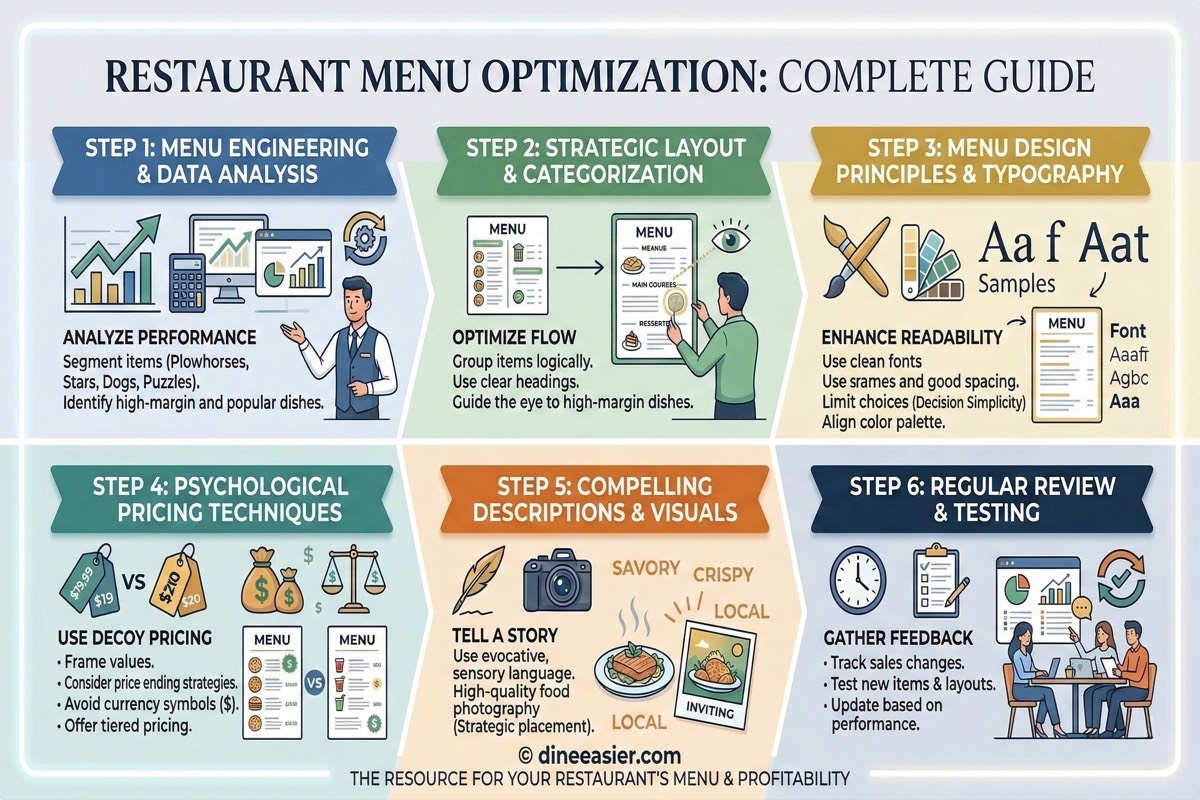
Why Dietary Tags on Your Menu Increase Restaurant Orders
Customers skip menu items they are unsure about. Dietary labels like veg, Jain, vegan, and allergen tags remove doubt, unlock group dining, and directly increase orders per table.
How Many Apps Does Your Restaurant Really Need? The Hidden Cost of Tool Sprawl
The average restaurant now runs 5-8 software subscriptions. Add up the fees, the lost time, and the broken integrations, and tool sprawl is costing you more than you think.